
Paramedic Boots and Footwear
The Complete Australian Buying Guide
Written by registered paramedics who have worn every boot on this list on shift. Honest assessments of what works, what does not, and what to look for when your feet are on the line for 12 hours.
What This Guide Covers
Your Feet Are the Foundation of Every Shift
A paramedic's feet carry them through 12-hour shifts, across wet car parks, up stairs with a stretcher, and into environments that no other footwear is designed for. The wrong boot does not just cause discomfort. It causes blisters, fatigue, back pain, and over time, chronic musculoskeletal injury.
The paramedic boot market is crowded with options that look the part but fail on shift. This guide cuts through the marketing and gives you an honest assessment of what actually works, based on real-world use by registered paramedics.
Every boot in this guide has been worn on shift by a MyMedEquip team member or reviewed by a registered paramedic. No affiliate bias. No manufacturer relationships. Just honest assessments.
The Cost of the Wrong Boot
Plantar fasciitis, Achilles tendinopathy, and knee pain are among the most common occupational injuries for paramedics. Most are preventable with the right footwear and insole combination.
12 Hours on Your Feet
A standard paramedic shift is 10 to 12 hours. In that time, the average paramedic takes between 8,000 and 15,000 steps. Cushioning that feels adequate in the first hour will feel very different by hour ten.
Slip Resistance Matters
Paramedics work on wet floors, blood-contaminated surfaces, and outdoor terrain in all weather conditions. A boot without an appropriate slip-resistant outsole is a genuine occupational health and safety risk.
Six Factors That Actually Matter
Most boot buying guides focus on features. This one focuses on the factors that determine whether a boot works for your specific role, environment, and body.
Shift Length
Paramedics working 10-12 hour shifts need boots with superior cushioning and arch support. Look for memory foam or gel insoles, and consider a boot with a removable insole so you can upgrade to an orthotic if needed.
Environment
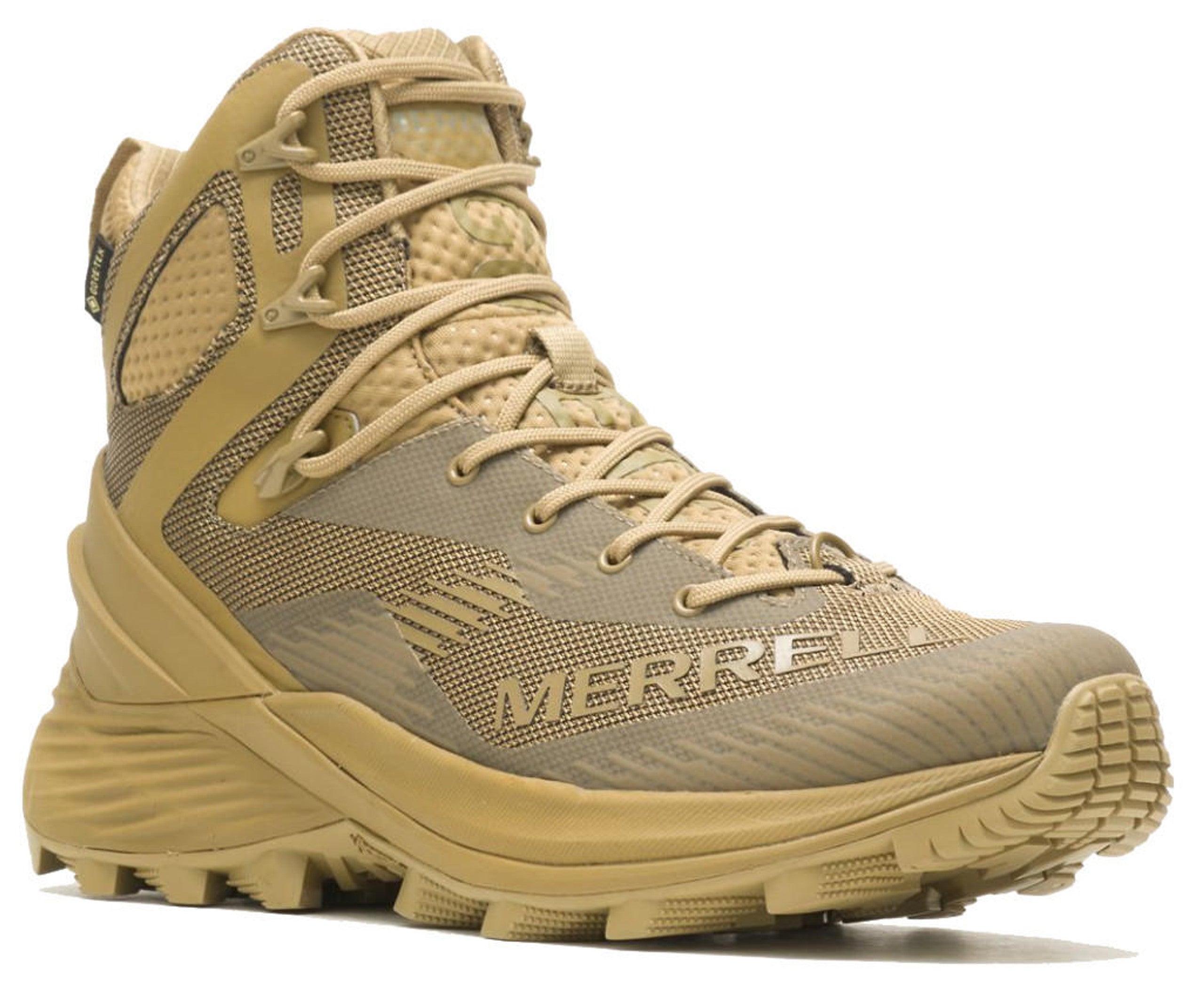
Urban paramedics can prioritise comfort and side-zip convenience. Rural, remote, and outdoor responders should prioritise waterproofing. Wet feet cause blisters within hours and significantly impair performance on long shifts.
Activity Level
High-activity roles (rapid response, rescue, tactical) benefit from lighter boots with trail-running technology. Lower-activity roles can prioritise ankle support and cushioning over weight savings.
Ankle Support
8-inch boots provide significantly more ankle support than 6-inch or mid-cut options. If you work on uneven terrain, carry heavy equipment, or have a history of ankle injuries, the extra height is worth the additional weight.
Breathability
Waterproof boots trap heat and moisture inside the boot. In hot Australian summers, a breathable non-waterproof boot with moisture-wicking socks will keep your feet drier than a waterproof boot in dry conditions.
Side Zip
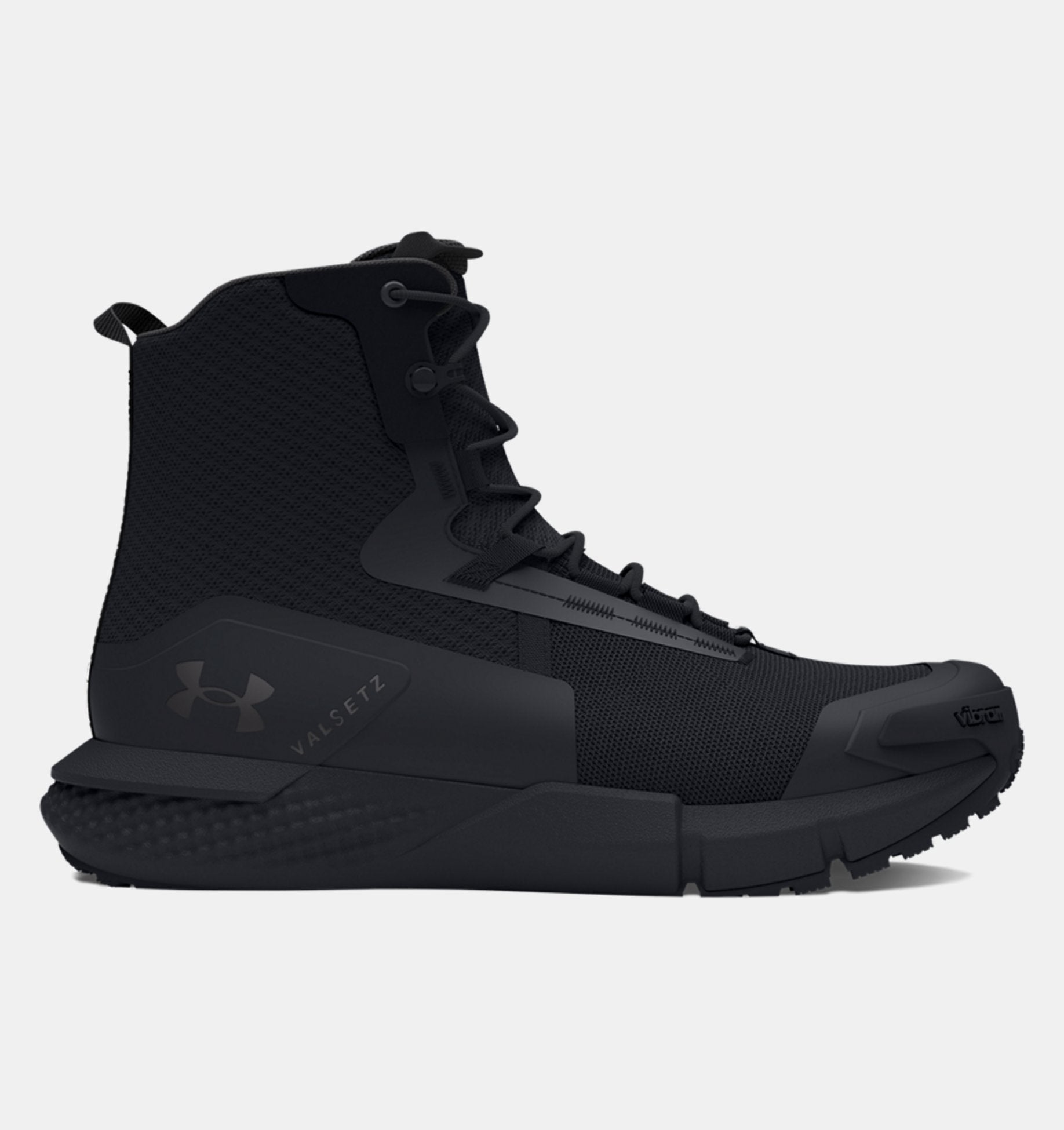
Side-zip boots are significantly faster to put on and take off, which matters when you are responding to a call at 3am. If you are on-call or work in a rapid response role, prioritise side-zip entry.
Quick Decision Guide
Urban / Suburban Paramedic
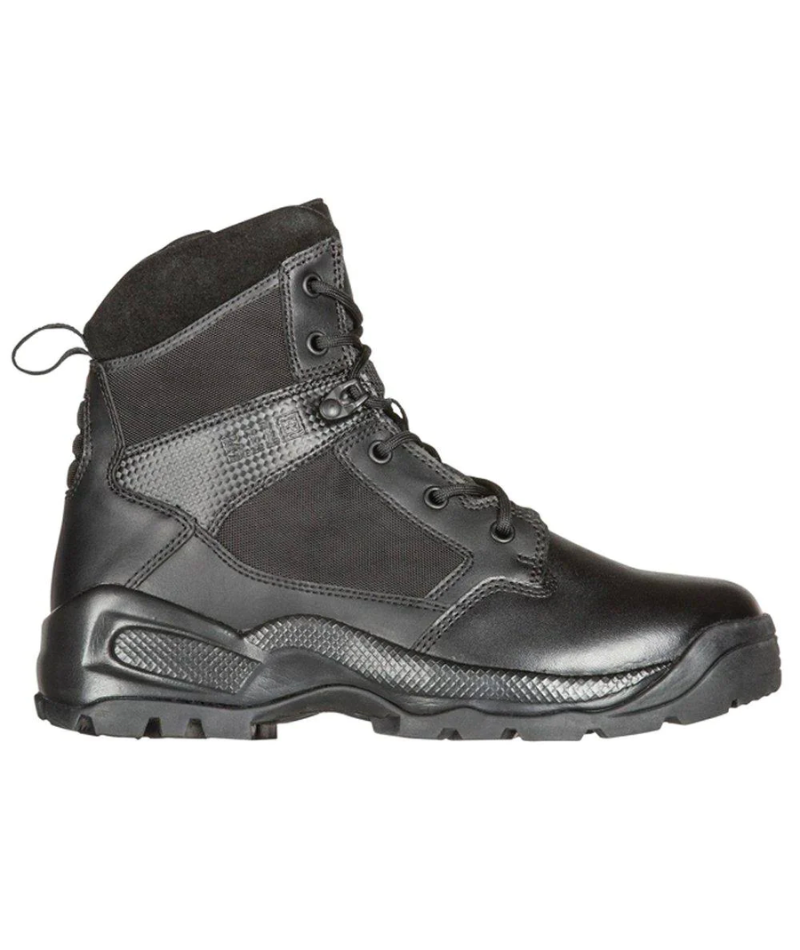
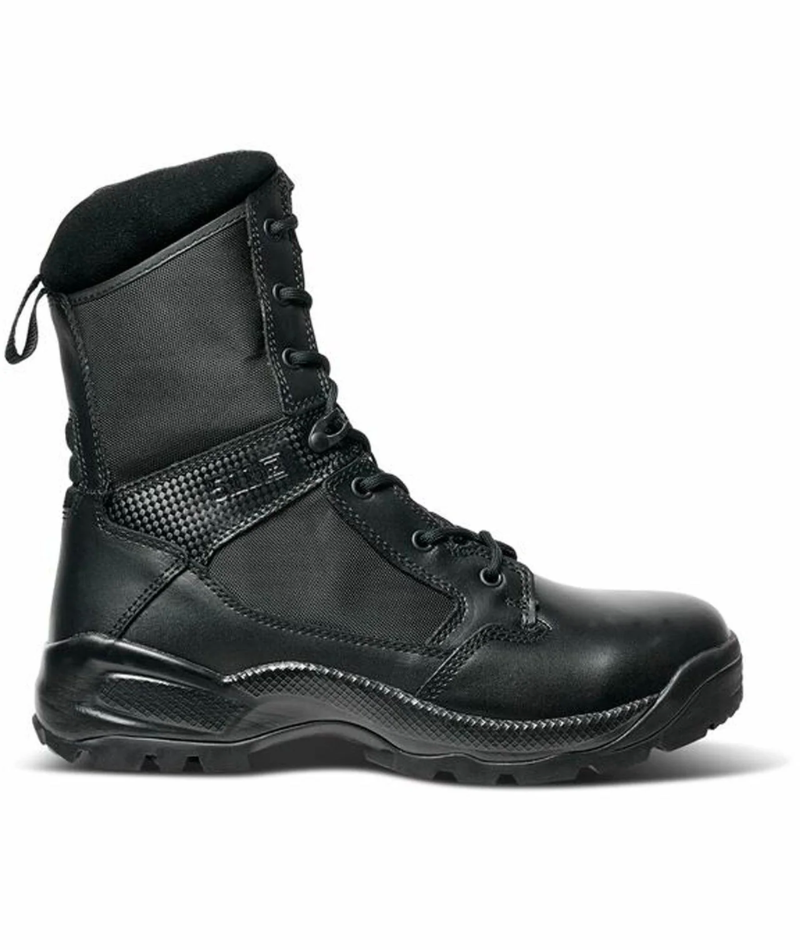
5.11 ATAC 6" or 8" Side Zip
Best balance of comfort, support, and side-zip convenience for everyday shift work.
View BootRural / Remote Paramedic
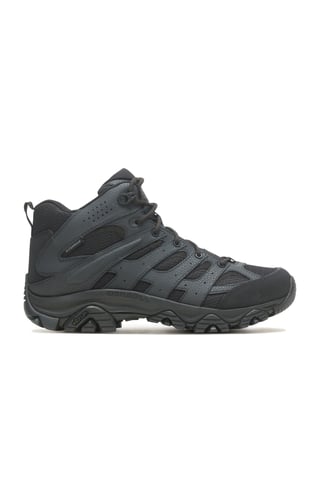
Merrell MOAB 3 Waterproof
GORE-TEX waterproofing and Vibram outsole for wet, uneven terrain.
View BootHigh-Activity / Rapid Response
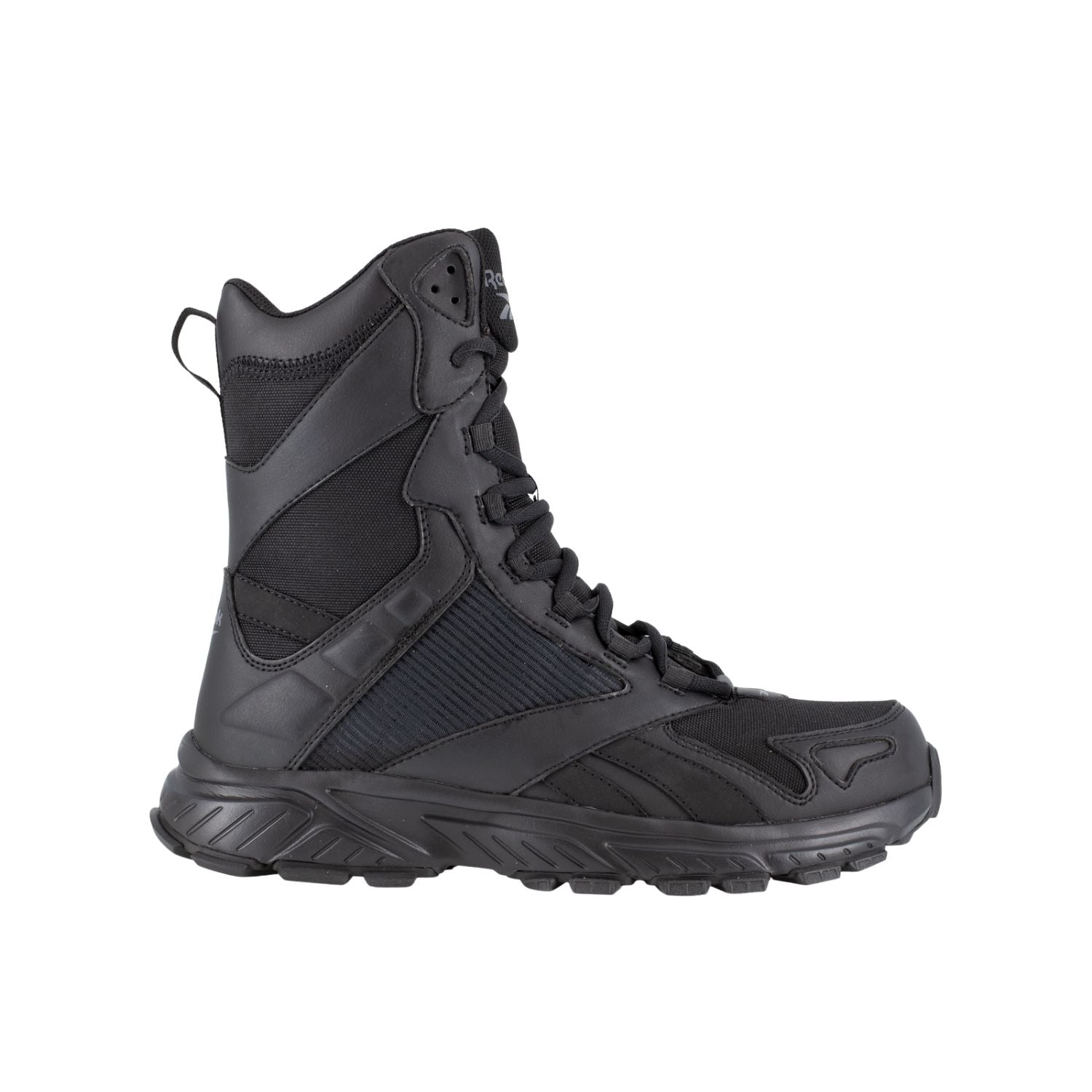
Reebok Hyperium Tactical 8"
Trail-running comfort technology with full ankle support for high-movement roles.
View BootAll Boots Reviewed
Filter by the feature that matters most to your role.
Paramedic Boot Comparison Cheat Sheet
A one-page printable comparison of every boot in this guide, including key specs, price, and our recommendation by role.
No spam. Unsubscribe any time.