Survival Kits vs First Aid Kits: What You Actually Need in the Australian Bush
Written by registered Australian paramedics. A practical guide to choosing the right kit for your environment, your risk profile, and the distance between you and the nearest hospital.
Why Most People Get This Wrong
Most people who head into the Australian bush carry either a survival kit or a first aid kit. Very few carry both, and even fewer understand the difference. The result is that people with survival kits cannot manage a serious wound, and people with first aid kits cannot signal for help or stay warm overnight if something goes wrong.
This guide explains the difference between the two, when you need each one, and how to build a kit that covers both without weighing you down. Every product featured here is stocked in Australia and has been assessed by practising paramedics.
This content was developed using a combination of clinical experience from registered Australian paramedics and structured research assisted by AI language models (including ChatGPT) to ensure comprehensive coverage of the topic. All clinical recommendations have been reviewed by practising clinicians.
The Two-Kit System for Australian Outdoor Environments
The most effective approach is a two-kit system: a first aid kit for medical emergencies and a survival kit for the scenario where help is not coming quickly. Here is how they differ and when you need each.
First Aid Kit
Treats injuries and medical emergencies: wounds, fractures, burns, anaphylaxis, and cardiac events. A good wilderness first aid kit for Australia includes trauma management (tourniquet, haemostatic gauze), wound care, and environmental emergency supplies (oral rehydration, space blanket).
Survival Kit
Keeps you alive while waiting for rescue: shelter, fire, water purification, signalling, and navigation. In the Australian bush, the most common survival scenarios involve becoming lost, a vehicle breakdown in a remote area, or an injury that prevents self-rescue.
Bleed Control Kit
A dedicated bleed control kit (tourniquet, haemostatic gauze, pressure dressing) is the single most important addition to any outdoor kit. Uncontrolled haemorrhage is the leading cause of preventable death in trauma. In a remote environment, you may be hours from help.
| Scenario | Distance from Help | Recommended Kit | Priority Add-on |
|---|---|---|---|
| Day hike, national park | Under 2 hours | Day Trip First Aid Kit 2.0 | IFAK Bleed Control Kit |
| Weekend camping, campground | 1-3 hours | Day Trip First Aid Kit 2.0 + Outdoor Survival Kit | Snake bite bandage |
| 4WD remote area trip | 3+ hours | Outdoor Survival Kit Advanced + Defender FAK | PLB or satellite communicator |
| Remote station / outback work | 6+ hours | Outdoor Survival Kit Advanced + full trauma kit | Clinical Reference Bundle |
Survival and First Aid Kits Reviewed by Australian Paramedics
Every product below is stocked in Australia and has been assessed by practising clinicians. Prices are in AUD and include GST.
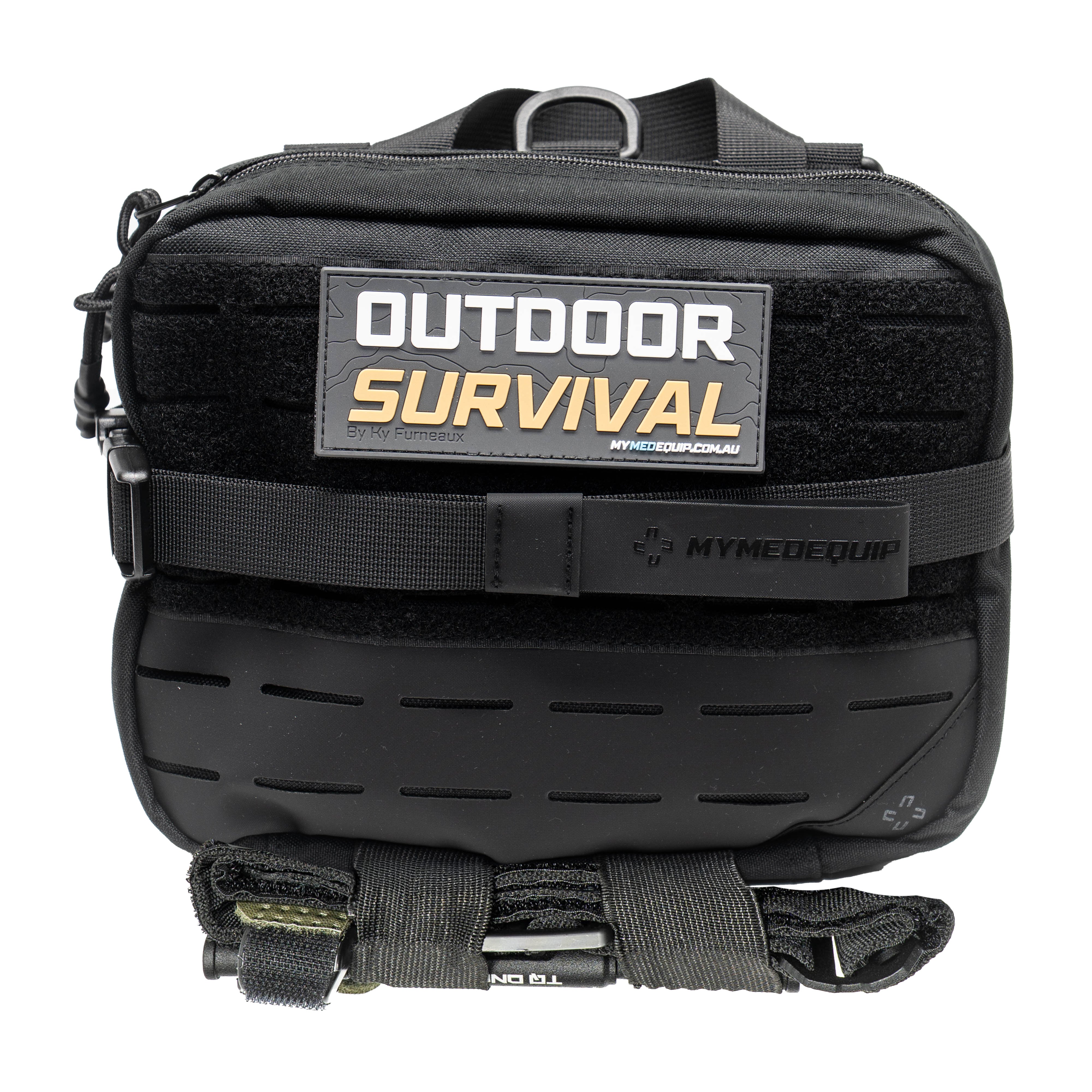
Outdoor Survival Kit Advanced
Built for extended remote area operations where help is hours away.
- Comprehensive medical and survival contents
- Waterproof hard case
- Suitable for solo or group use
- Includes signalling equipment
- Larger and heavier than compact kits
- Higher price point
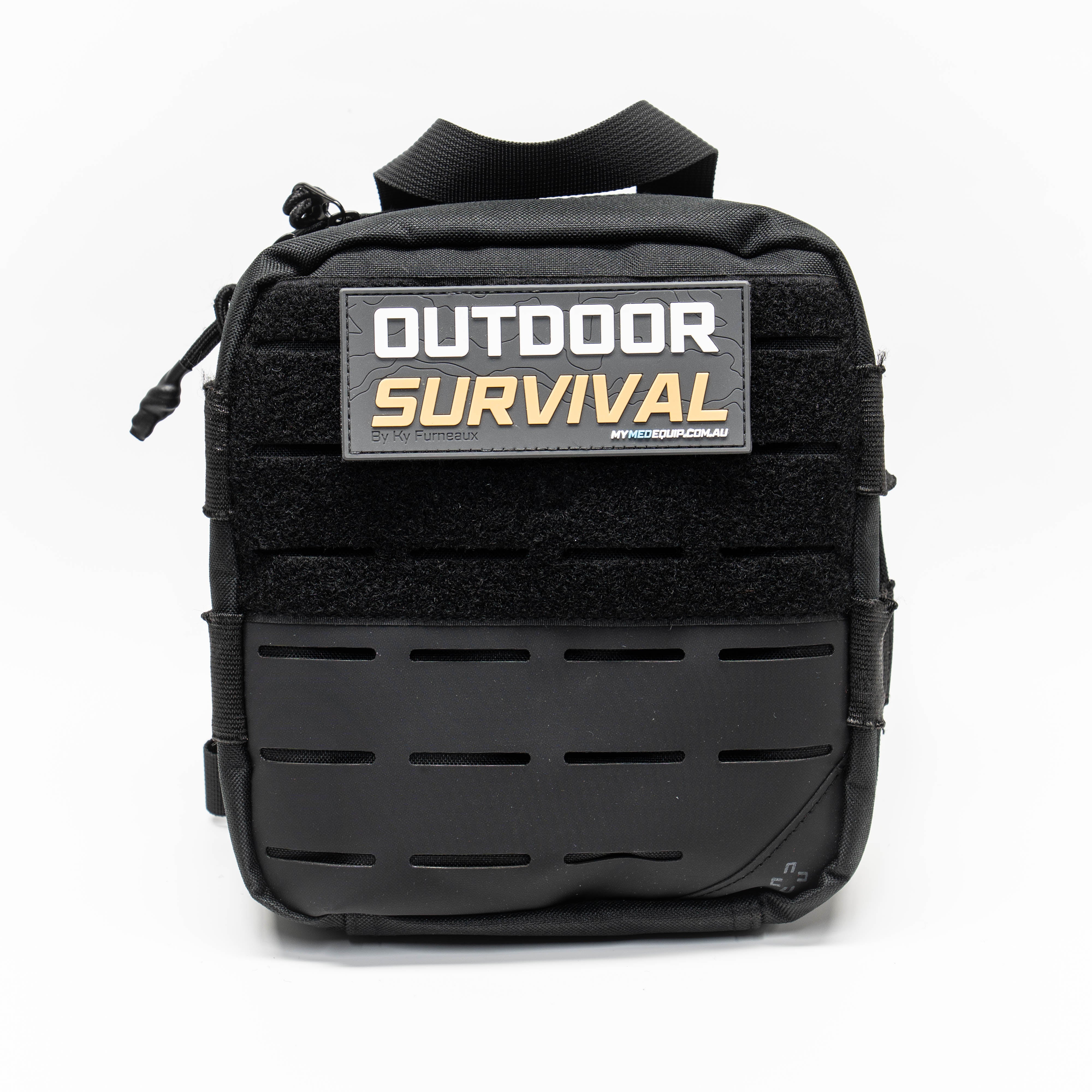
Outdoor Survival Kit
The right kit for day trips, camping, and weekend adventures.
- Compact and lightweight
- Covers the most common wilderness emergencies
- Easy to restock
- Good entry-level option
- Not suitable for multi-day remote expeditions
- Limited trauma management contents
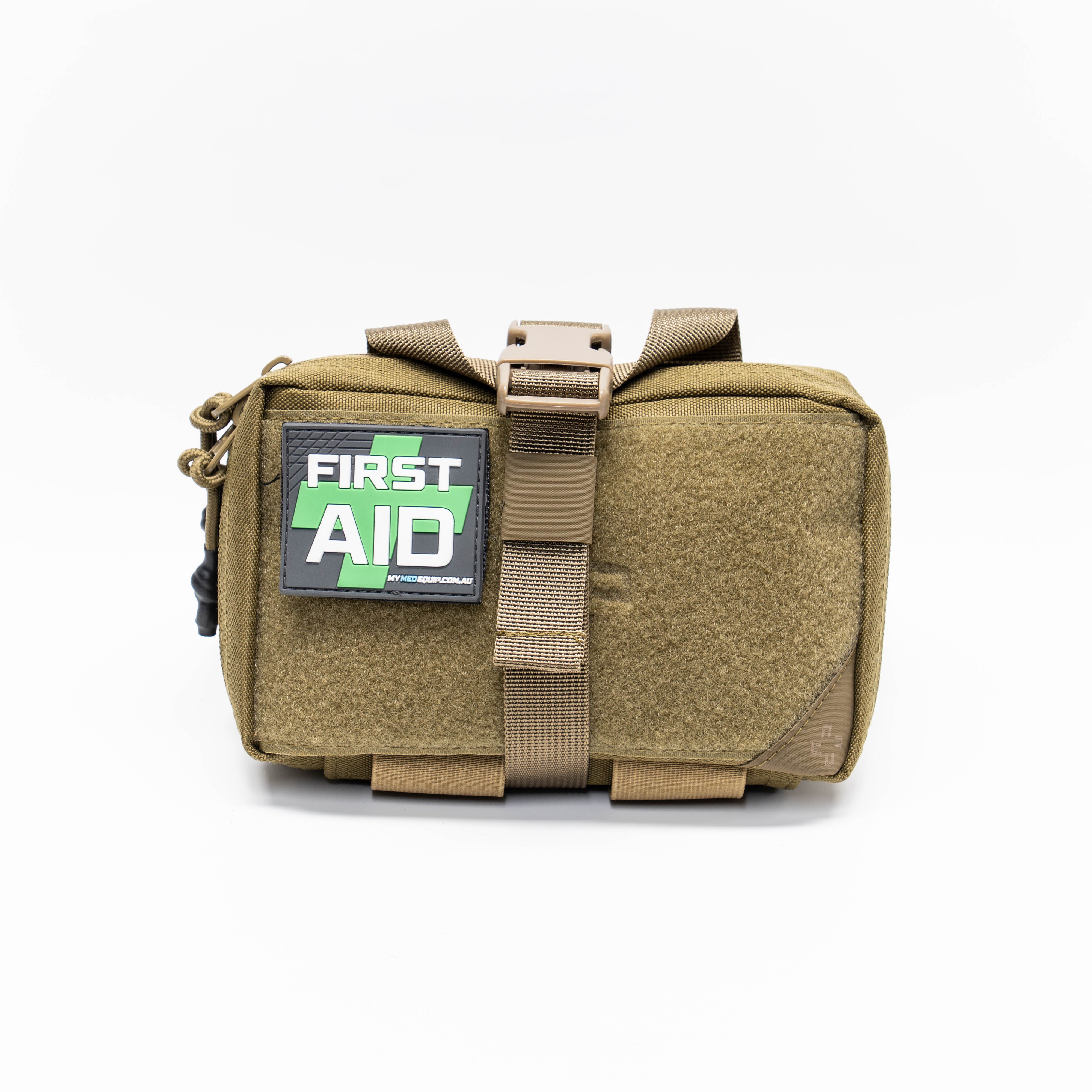
Day Trip First Aid Kit 2.0
Designed by paramedics for the most common outdoor emergencies.
- Curated by registered paramedics
- Compact soft case
- Covers trauma, wound care, and environmental emergencies
- Australian stock
- No survival tools included
- Designed for day use only
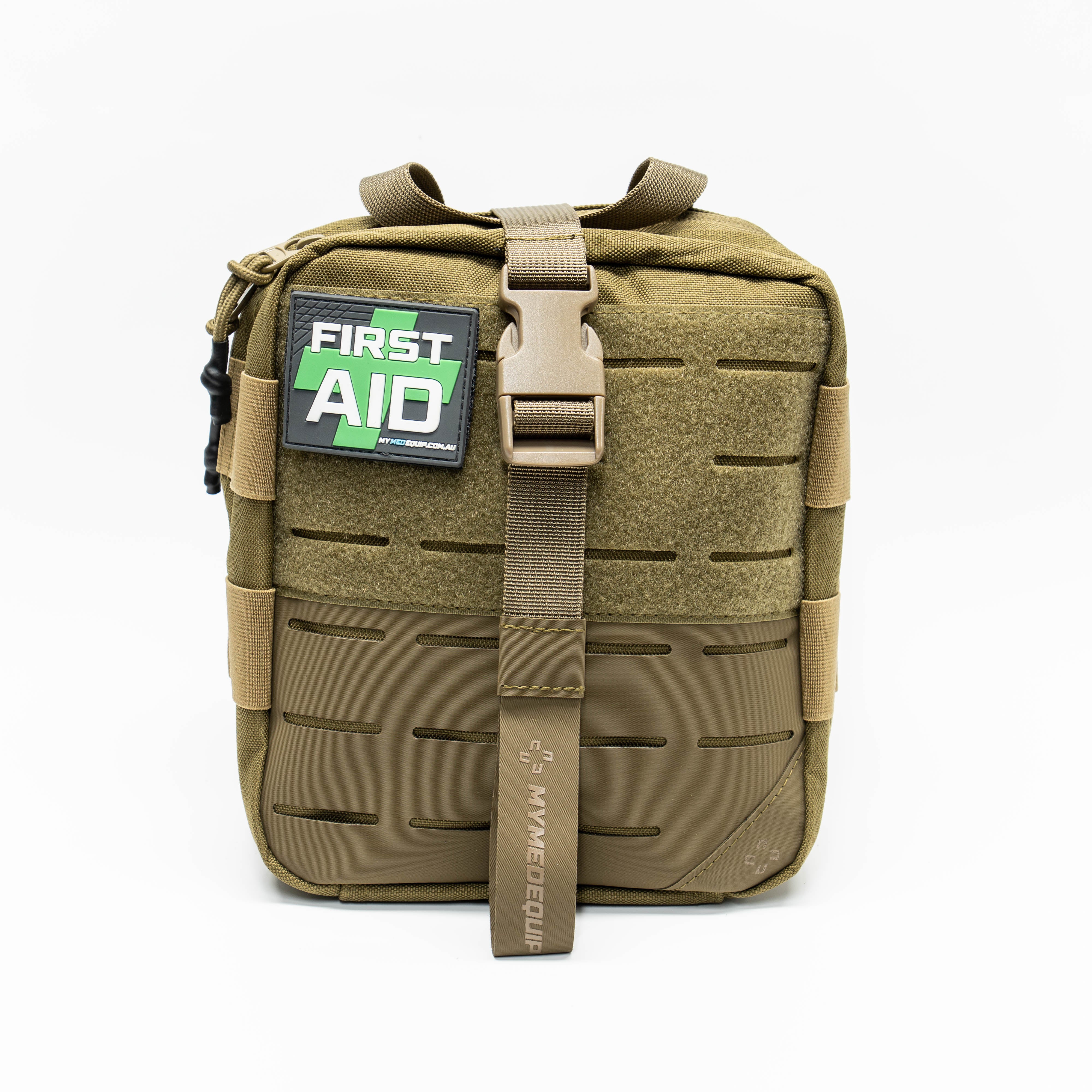
Defender First Aid Kit
Trauma-focused first aid for high-risk outdoor environments.
- Includes tourniquet and haemostatic gauze
- Durable MOLLE-compatible case
- Covers major trauma and wound management
- Compact enough for a pack
- Heavier than standard first aid kits
- Overkill for low-risk day trips
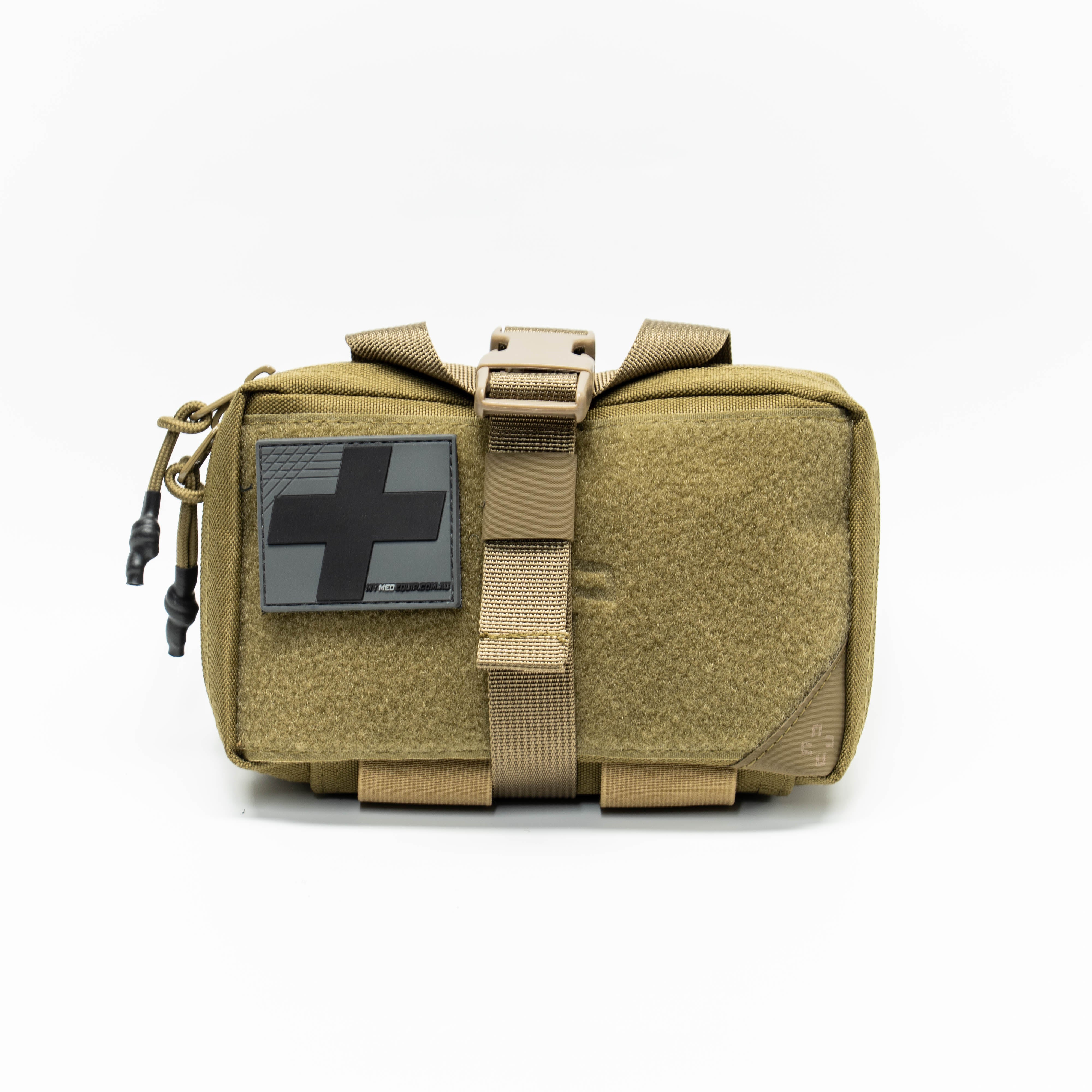
IFAK Bleed Control Kit Tan
Stop the bleed before help arrives. The most critical kit you can carry.
- Tourniquet, haemostatic gauze, and pressure dressing included
- Compact rip-away pouch
- MOLLE compatible
- Suitable for non-medical users
- Trauma-focused only — no general first aid supplies
- Requires basic training to use effectively
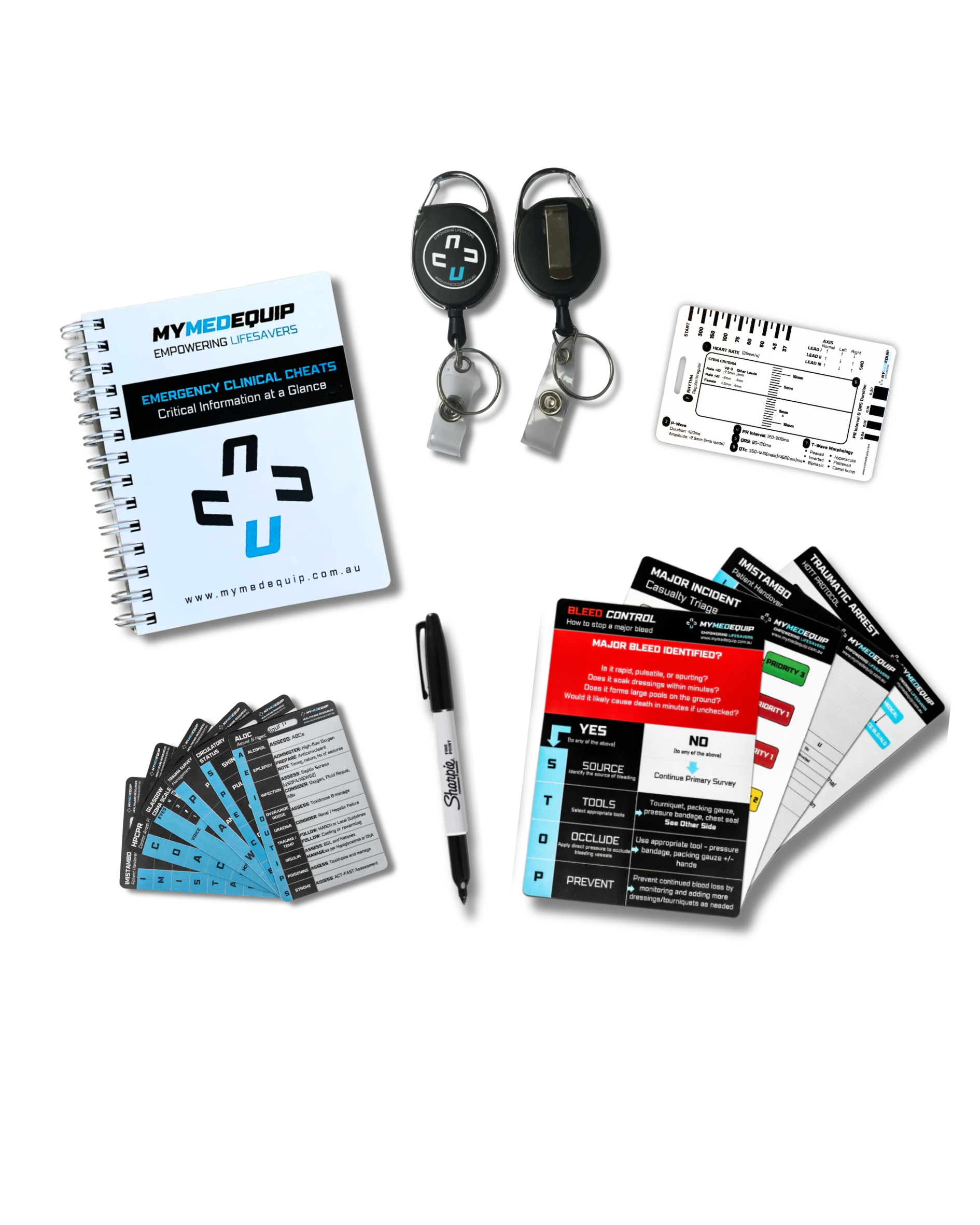
Clinical Reference Bundle
The reference library every serious first responder should have.
- Covers trauma, medical, and environmental emergencies
- Written by Australian clinicians
- Compact and field-ready
- Excellent for students and practitioners
- Reference only — no equipment included
- Best paired with a physical kit
The Australian Bush First Aid Checklist
A one-page pre-trip checklist covering the minimum kit requirements for day trips, weekend camping, and remote area expeditions in Australia. Includes a snake bite protocol reference.